%20copy.png)
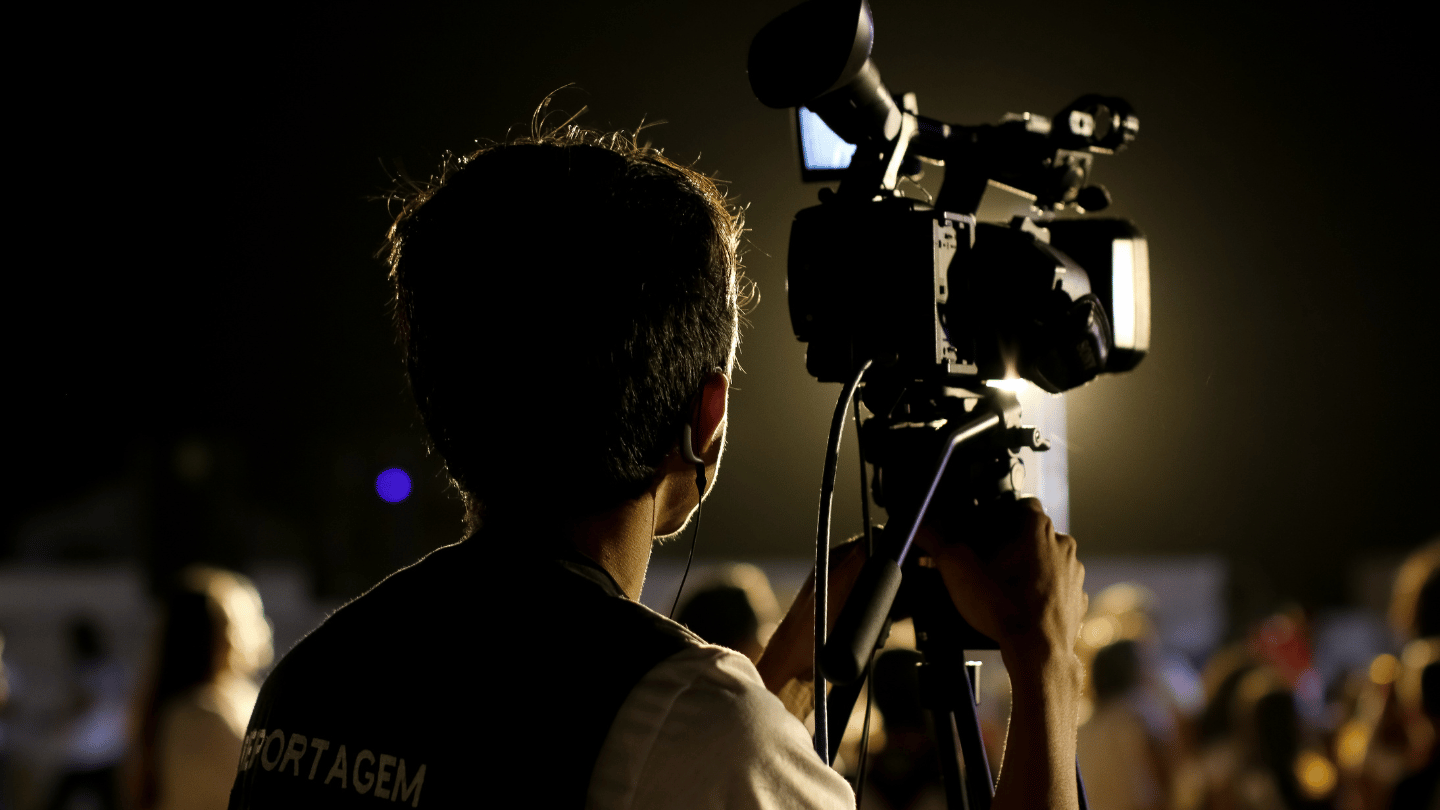
The pressure can be especially intense when those cameras are rolling, or the microphones light up, even for veterans. Whether you’re a government department, business or industry association, to be interviewed by the media, or appear before a committee, is to stand in the spotlight of high stakes communication. In Canberra, where politics, policy and public service often intersect with the press, clear, confident communication is not a matter of preference but necessity.
This article takes a look at how experts can best prepare for media interviews, committee hearings and broadcast appearances, and the extent to which doing so can help burnish your reputation and communication delivery.
Why It Matters What the Media Does in Canberra
Communication in Canberra, the Australian capital, often takes place in public. Executives, directors and spokespeople are often asked to go on the record, whether that means explaining a new initiative, defending against a policy or clarifying a thorny subject.
An impeccable interview can help establish credibility and shape public perception. A bad one can cause confusion, erode trust or, in the worst case, become tomorrow’s headline for all the wrong reasons.
Media interviews are not only a test of the depth of your knowledge, they also measure whether and how you apply that knowledge when under fire. So it is with the Wordsmiths, which is why targeted media training can be such a valuable tool for Canberra-based professionals whose words have heft.
1. Pitch Before You Take Your First Question
Great interviews don’t happen on the fly; they take preparation.
Before stepping in front of a journalist or committee:
- Clarify your key messages. Decide the two or three points you want to make — and then kindly hit on them several times during the conversation.
- Anticipate tough questions. What would your audience or critics want to know? You should have clear, honest answers that bring the conversation back around to your talking points.
- Stay audience-focused. Speak to their common sense, not ur-internal jargon or bureaucratic secret.
And, as Matthew Holmes constantly reminds clients, “If you don’t determine what your message is, someone else will determine it for you.”
2. Practice Under Realistic Conditions
Practicing in the peace of an office does not compare to playing before a camera and bright lights.
Through simulated training, using mock interviews, timed responses and review footage playback, professionals theoretically gain composure and self-awareness.
In a stand workshop (or coaching session) participants will probably:
- Get in the habit of speaking in short, quotable sentences.
- Each word is nuanced, every body movement examined.
- Watch footage of the band playing to see where tiny but crucial improvements can be made.
This sort of hands-on practice builds a confidence that book learning can’t.
3. Learn the Art of Body Language, Tone and Timing
Media audiences notice a lot more than words. The way you stand, how you gesture, the tone of your voice, they all signal credibility (or shaky knees).
A few small tweaks can make a big difference:
- Posture: Sit or stand straight, with shoulders relaxed.
- Eye contact: Look at the interviewer, not the lens (unless speaking directly to audience).
- Voice: Slow down a bit, and use natural pauses to make important points hit home.
And keep answers short and within about 30 seconds if possible — clarity, rhythm, are more important than detail.
They are techniques which also transfer easily to parliamentary committees or internal briefs, where presence and clarity matter just as much.
4. Respond, Don’t React
In a press or committee environment, bizarre or pointed questions often come out of the blue. Half the battle is staying calm and in control.
To manage tricky moments:
- Pause before answering. Silence is a sigh of confidence.
- Acknowledge, then redirect. Answer the question briefly and get back to your point.
- Avoid speculation. If you don’t know, promise to follow up — it’s credibility enhancing.
Good communicators also understand that sometimes holding back is the most authoritative posture.
5. Local Insight: The Unique Canberra Media Landscape
Canberra’s media environment is unique in Australia — a blend of national outlets, political hacks and specialist correspondents across the policy detail. They want clarity and authenticity, not sound bites.
Professionals who do operate effectively in that environment win enduring reputational advantages.
That’s why local, context-sensitive training is so important — it prepares spokespeople for the vagaries of the national press corps and the policy-focused audience in Canberra.
Conclusion: Confidence Comes from Preparation
Standing up to the media, or a parliamentary committee, need not be difficult. With the proper preparation, practice and expert feedback, any professional can learn to speak authoritatively and calmly under pressure.
Professional media interview training strengthens more than a presentation skillset, it builds confidence that has an impact beyond the newsroom or sound stage.
If you or your team are regularly out in the media or public domain, maybe it’s worth spending on a workshop or coaching session tailored for Canberra professionals. A couple of hours of concentrated preparation today can make the difference when it counts.


.png)



.png)

